The Spring Table
What is right in front of you but you can’t quite reach it … yet

It was not one moment. It was an accumulation, and it happened in reverse order from what I expected.
The cystic acne went first, or rather left, after I removed dairy, the way a houseguest finally takes the hint. I had done it reluctantly, half-convinced my doctor was right that food had nothing to do with my skin. I had seen dozens of dermatologists from NYC to Switzerland. Living in the dairy capital of the world did not make it easy to leave dairy off of my table. They were all good MDs, careful and methodical and genuinely interested in my case. The average American medical student receives fewer than twenty hours of nutrition education across four years of training, a fact I learned later that explained quite a lot. They know things about the skin I will never know. These dermatologists had simply never been asked, in any formal way, to consider what their patients were eating and how it related to their inflammatory process. The knowledge existed. It lived in a different medical silo.
Then the rashes and the inflammation, which separate dermatologists had called chronic and manageable at best, faded over a winter when refined sugars came out of my diet. Then the diarrhea, which had followed me for years without resolution, stopped when gluten came out. Each time I held my breath for the relapse. It never came. Nutritional interventions kept solving my chronic issues at their root.
Rewind to NYC when my apartment building smelled like a Chinese herb shop for most of that year, as I cooked the Chinese herbs to treat my vocal nodes, the same protocol that dissolved them while the surgeons at Lenox Hill were still waiting to schedule my procedure, had a smell that moved through walls. Neighbors slowed down in the hallway wondering what was that smell? One knocked to ask if I was all right, my voice had disappeared after all. In fact, I was better than all right, which was the part no doctor seemed to have a framework for.
Across every tradition I had studied, macrobiotic, Ayurvedic, Chinese medicine, European culinary medicine, functional nutrition, the same foods kept appearing. Local vegetables. Seasonal fruit. Whole grains, soaked before cooking. Small amounts of legumes, prepared with care. Fermented things. Roots. Sea vegetables. Nothing overcooked, nothing leftover, nothing pushed to an extreme.
This is not a coincidence. These traditions developed on different continents, in different centuries, with no knowledge of each other, and they arrived at the same table. Not because ancient peoples were romantic about food, but because they were paying close attention to who stayed well and who didn’t, over generations, and they wrote down what they saw, better yet, the grandmothers simply lived it and modeled for their future generations. The pattern held. It still holds.
I watched it hold in my mother’s body when her macular degeneration reversed after three months on a macrobiotic diet. In my neighbor’s body when his cancer retreated. In thousands of bodies across thirty-five years of practice: chronic skin conditions, irritable bowel syndrome, type 2 diabetes, heart disease, food addiction, chronic pain, mood disorders. And in something I had not thought to look for at first: the weight did not come back. Not in the way it always had before, cycling up again as soon as the effort relaxed. When your body is finally fed what your cells recognize, the hunger that had been filling the gap begins to dis-solve. The cycling stops. Weight loss is a side effect but not the main show.
I keep returning to the Lenox Hill doctors. The ones who shrugged when my nodes dissolved, who had nothing to say when I came back without the pathology they had been preparing to treat. They were not dismissive people. They were rigorous people working inside a system that had simply never built nutrition or ancient herbs into its map. The map was excellent in every other respect. But a map with one country missing will still get you lost.
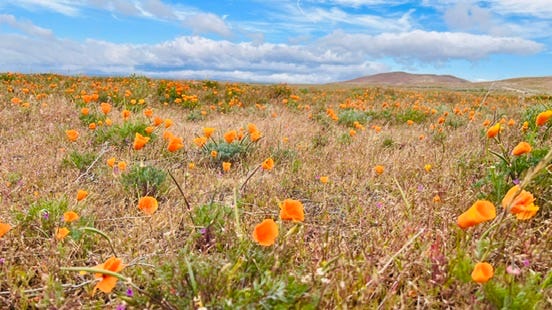
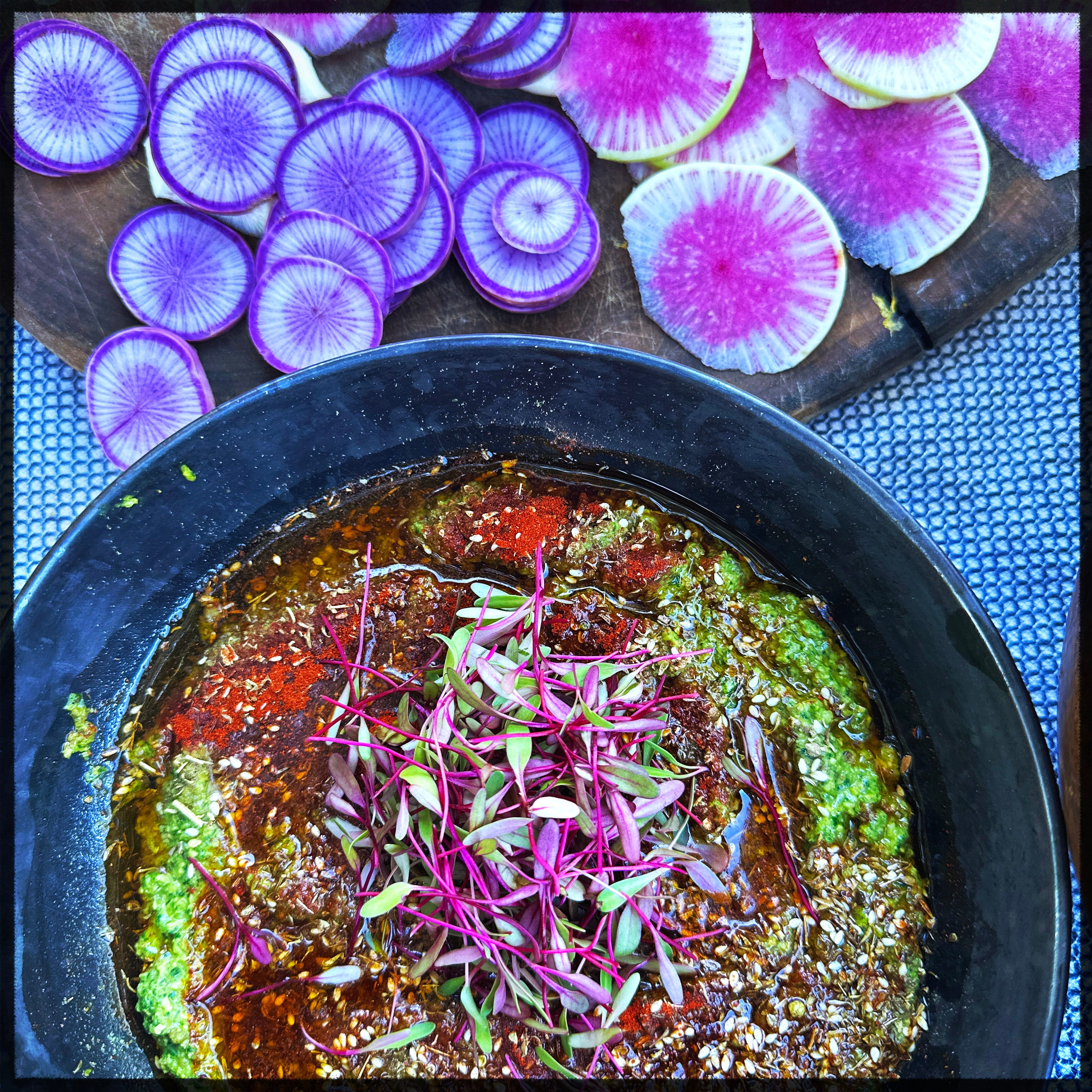
All roads lead to through lines and one is seasonal. The light is crystalizing, flowers brighten the landscape, peas are popping and it is time to plant the basil! It is Spring. I have been adorning my table with fresh peas blended into a “hummus” with tahini and Meyer lemon juice and garlic with a good measure of cayenne for a kick. A tabouli that is mostly parsley, the way it should be, with spring onions and quinoa and lemon. This is a nutritional powerhouse designed for recovery and emerging research suggests parsley activates stem cells. Good olives, the ones that are naturally fermented and a probiotic food that make the full journey to your large intestine to repopulate the microbiota. Colorful, crisp vegetables to dip that have something to say for themselves: celery, watermelon radish, jicama, carrots. Put it in the center and let people eat slowly and with their hands. It takes thirty minutes to make and about ten minutes to understand why you will make it again, and again and again. This kind of food delights your tastebuds and nourishes your cells and leave you satisfied, whole and wondering why you don’t have more room in your stomach to eat. Ah, but there is always next time.
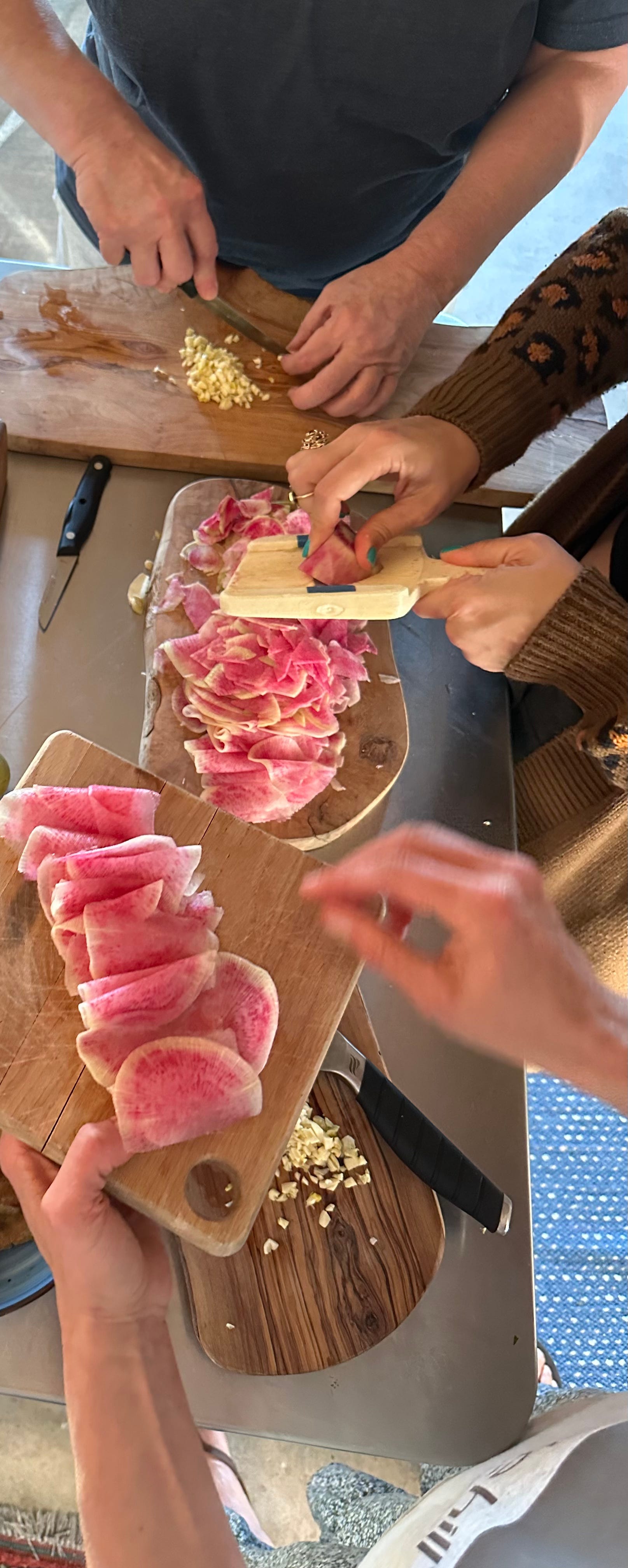
A Spring Table: Fresh Pea Hummus, Tabouli, and Dipping Vegetables
Everything here can be made ahead and improves with an hour of rest. The hummus is brighter and lighter than any chickpea version; fresh peas carry a sweetness that opens when blended with good tahini and Meyer lemon. The tabouli is herb-forward in the Lebanese tradition, where parsley is not a garnish but the whole point. Arrange everything in the center and let people eat with their hands.
Fresh peas are prebiotic, feeding Bifidobacterium directly. Tahini provides plant-based calcium, zinc, and lignans. Parsley carries more iron per gram than spinach. Fresh garlic is antimicrobial and prebiotic. Watermelon radish and jicama both carry inulin-type fibers that feed the gut microbiome specifically. Quinoa is a complete protein, carrying all nine essential amino acids, gluten-free, and easier to digest than most grains. This is the table that every tradition agreed on. It happens to be exactly what spring looks like.
Serves 4 to 6
FOR THE FRESH PEA HUMMUS
2 cups fresh or frozen peas
3 tablespoons good tahini (I always use raw tahini)
Juice of 1 large Meyer lemon
2 fresh garlic cloves
Good pinch of cayenne
Half teaspoon flaky salt (Maldon)
2 tablespoons good olive oil, plus more to finish
2 to 4 tablespoons cold water to loosen
FOR THE TABOULI
2 large bunches flat-leaf parsley, leaves only, very finely chopped
4 spring onions, very finely sliced
2 fresh garlic cloves, minced
Half cup quinoa, rinsed, cooked, and cooled completely
Juice of 1 lemon
3 tablespoons good olive oil
Salt to taste
Optional: a handful of fresh mint, finely chopped
FOR THE TABLE
Good Faith Farms olives, or any high-quality cured olives
4 celery stalks, cut into sticks
1 watermelon radish, sliced thin
Half jicama, peeled and cut into sticks
2 large carrots, cut into sticks
Good olive oil and flaky salt for drizzling
Good feta, crumbled, if eating dairy
METHOD
Blend the peas, tahini, lemon juice, garlic, cayenne, and salt until very smooth. Add olive oil and enough cold water to reach a consistency that falls slowly from a spoon. Taste it. It should be bright and sharp with garlic and lemon. Spread into a wide bowl, make a well, and fill it with olive oil. A pinch of cayenne on top or Z’aatar.
While the quinoa is still warm, toss it with the lemon juice, olive oil, and garlic. It absorbs the dressing as it cools, which is the whole point. Once cooled, combine with the parsley, spring onions, and a good pinch of cayenne. Season well with salt. Toss and taste. The parsley should dominate; the quinoa is background. Add mint if using. Let it rest at least fifteen minutes before serving.
Arrange the dipping vegetables on a board. Drizzle with olive oil and scatter with flaky salt. Put the olives in a small bowl alongside.
Bring everything to the table at once and let people find their own way through it. Good bread alongside if you have it.
On the quinoa
Cook it in water or light vegetable broth, use less than you think you need. The parsley is the dish. The quinoa holds it together.
On peas as prebiotic Legumes including fresh peas contain galacto-oligosaccharides (GOS) and resistant starch that selectively feed beneficial Bifidobacterium in the gut. Research published in Food Chemistry and reviewed by the National Institutes of Health confirms the prebiotic activity of legume-derived fibers. NIH prebiotic fiber review
On tahini: calcium, zinc, and lignans Sesame seeds contain approximately 64mg of calcium and 0.69mg of zinc per tablespoon of tahini (USDA FoodData Central). Sesame is second only to flaxseed as a dietary source of lignans, specifically sesamin and sesamolin, which have documented antioxidant, anti-inflammatory, and cholesterol-modulating properties. Labban L, Sumainah G. International Journal of Nutritional Sciences, 2021. USDA FoodData Central
On parsley and iron Fresh parsley contains 6.2mg of iron per 100g. Fresh spinach contains 2.7mg per 100g. Parsley has approximately 129% more iron than spinach by weight. Source: USDA National Nutrient Database. Comparison via FoodStruct, drawing directly from USDA data.
On garlic as antimicrobial and prebiotic Raw garlic is approximately 13% fructooligosaccharides (FOS) by fresh weight. Crushing or mincing activates allicin, its antimicrobial compound. Research confirms garlic stimulates Bifidobacterium growth and supports an acidic colonic environment unfavorable to harmful bacteria. Healthline prebiotic foods review, citing peer-reviewed sources.
On jicama and inulin-type fiber Jicama root is specifically confirmed as high in inulin-type fructans with documented prebiotic effects. Healthline
On quinoa as complete protein Quinoa contains all nine essential amino acids. Its protein biological value is 83%, higher than fish (76%), beef (74.3%), soy (72.8%), wheat (64%), and rice (64%). Recognized by the FAO as one of the few plant foods that can serve as a complete protein source. Tirkey & Paul, International Journal of Research and Analytical Reviews, 2022. PMC amino acid profile study
On Good Faith Farms olives Good Faith Farm cold-cures their olives in salt brine for six to eight months using traditional lye-free methods. The olives are never heat-processed, which preserves their natural probiotic enzymes and live lactic acid bacteria through natural fermentation. Good Faith Farm / confirmed via Ecology Center vendor listing
Helene Leeds
Helene Leeds is a culinary medicine practitioner and MasterChef Season 3 finalist who has spent thirty-five years at the intersection of food, metabolism, and human psychology. Trained in the culinary traditions of France, Germany, Greece, Switzerland, and Asia, she writes about what real cooking does to the body and the mind. She lives in Los Angeles and cooks every day.